Exploring Beneficial Foods and Essential Nutrients for Men's Well-being
Educational content only. No promises of outcomes.
Understanding Key Nutrients for Men
An overview of essential vitamins and minerals, their general functions, and the broad food categories where they are found in nature.
Essential Micronutrients
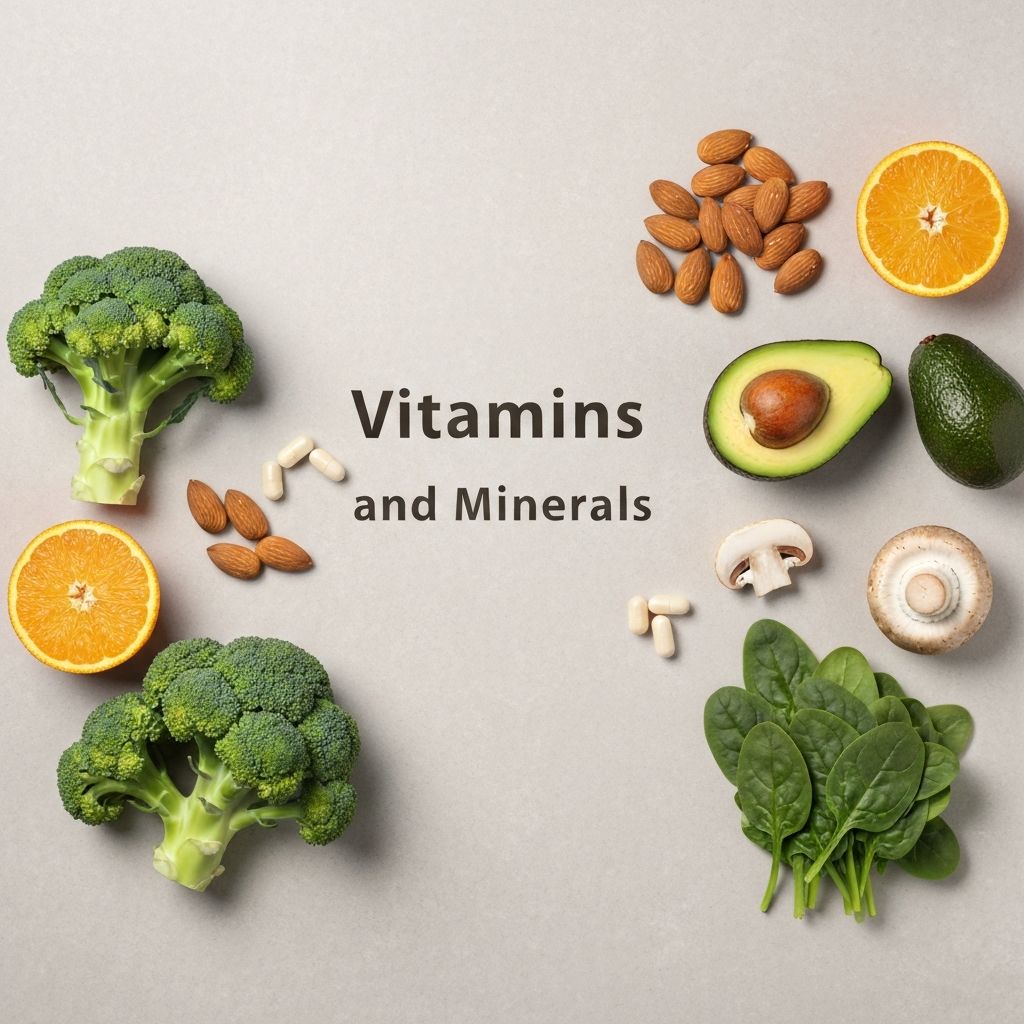
Vitamins and minerals play fundamental roles in supporting bodily functions. From energy production to immune support, these micronutrients are distributed across diverse food sources. Understanding where they come from helps in building a balanced diet aligned with general nutritional science.
- Vitamins support metabolic processes and cellular function
- Minerals regulate crucial bodily systems
- Whole foods provide complex nutrient profiles
- Variety in diet ensures diverse micronutrient intake
The Role of Macronutrients
Carbohydrates, proteins, and fats serve as primary energy sources and building blocks for body structures. Each plays a distinct role in maintaining overall health and supporting an active lifestyle.
Carbohydrates: The Primary Energy Source
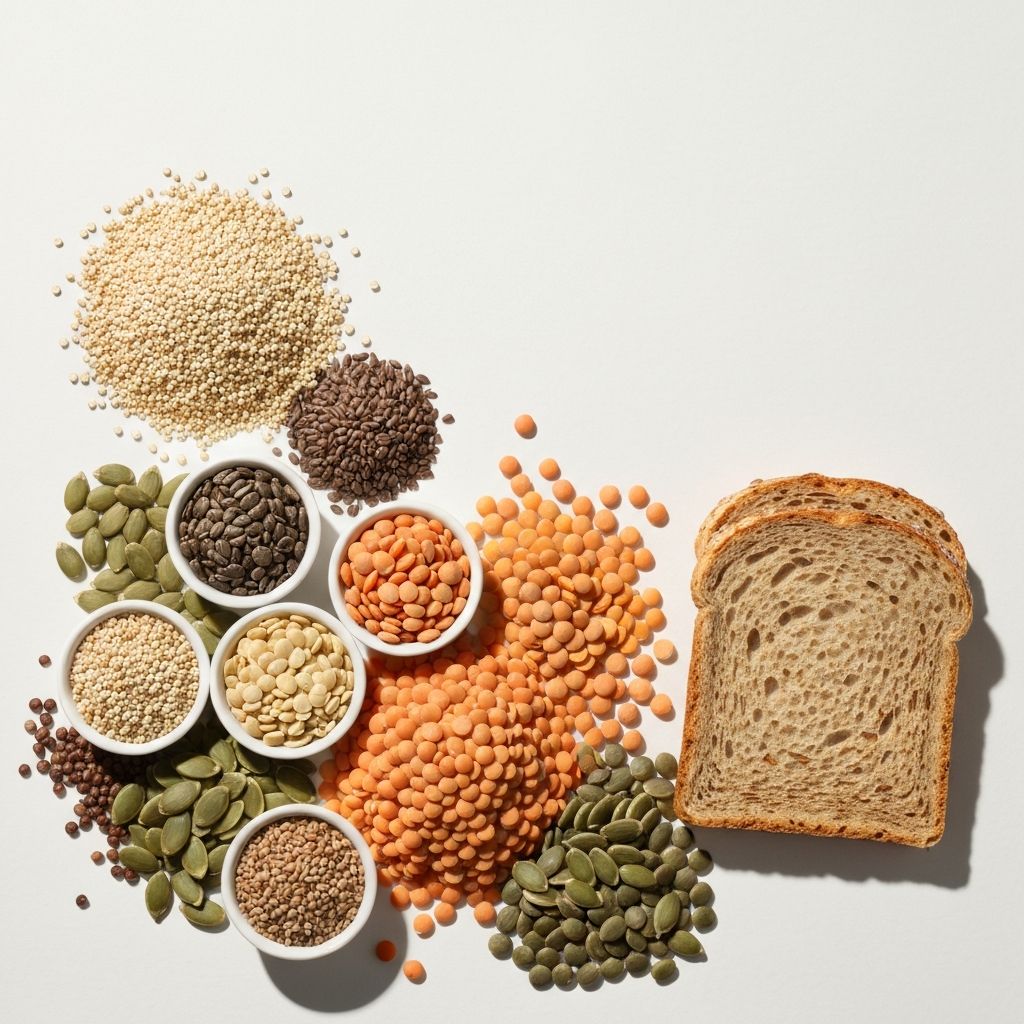
Complex carbohydrates from whole grains, legumes, and vegetables provide sustained energy. Unlike refined carbohydrates, whole food sources offer fiber and additional nutrients, making them valuable components of a balanced diet.
- Whole grains for sustained energy release
- Legumes combining protein and carbohydrates
- Vegetables providing vitamins alongside carbs
- Fiber supporting digestive function
Protein: Essential for Cellular Structure
Proteins are composed of amino acids necessary for building and repairing tissues. Animal and plant-based protein sources each offer unique nutritional profiles, making dietary variety important for comprehensive amino acid intake.
- Fish providing omega-3 fatty acids alongside protein
- Legumes offering plant-based protein with fiber
- Eggs containing complete amino acid profiles
- Diverse sources ensuring broad nutrient coverage


Healthy Fats: Supporting Cellular Function
Fats are essential for hormone production, nutrient absorption, and maintaining cell health. Unsaturated fats from sources like olive oil, nuts, and fatty fish represent healthier fat choices compared to saturated and trans fats.
- Monounsaturated fats supporting heart health
- Polyunsaturated fats including omega-3s
- Nuts and seeds as convenient nutrient sources
- Fish oils contributing to various bodily processes
Hydration and Well-being
Water is essential for every bodily function. Beyond pure water, various healthy fluids contribute to daily hydration and overall wellness.
The Importance of Adequate Fluid Intake
Proper hydration supports digestion, temperature regulation, nutrient transport, and mental clarity. While individual hydration needs vary, maintaining consistent fluid intake is a fundamental aspect of health.
- Water as the primary hydration source
- Herbal teas offering additional compounds
- Natural beverages containing vitamins and minerals
- Individual variation in hydration needs

Beneficial Food Groups
A structured presentation of various food groups known for their nutritional value and role in supporting overall wellness.
Leafy Greens
Spinach, kale, and other leafy vegetables are rich in vitamins K, A, and C, along with minerals like iron and magnesium, making them foundational elements of nutritious eating.
Whole Grains
Oats, brown rice, and quinoa provide complex carbohydrates, fiber, and B vitamins, supporting sustained energy and digestive health throughout the day.
Berries
Blueberries, strawberries, and raspberries deliver antioxidants and vitamins, contributing to various physiological processes and general well-being.
Nuts and Seeds
Almonds, walnuts, and seeds offer healthy fats, protein, and minerals, making them nutrient-dense additions to a balanced diet.
Legumes
Beans, lentils, and chickpeas combine protein, fiber, and minerals, serving as versatile foundations for plant-based nutrition.
Fish and Seafood
Salmon and other fish provide omega-3 fatty acids and high-quality protein, supporting various bodily functions and metabolic processes.
Balanced Eating Principles
The concept of a varied and balanced diet encompasses diverse food sources, appropriate portions, and consistent eating patterns supporting sustained energy.
Building a Sustainable Dietary Pattern
Balance in eating involves combining different food groups at meals, respecting individual hunger cues, and maintaining variety across days and weeks. This approach naturally delivers diverse micronutrients and supports digestive function.
- Including vegetables and fruits at most meals
- Incorporating lean proteins and healthy fats
- Choosing whole grains over refined options
- Adjusting portions based on activity level
- Allowing flexibility within nutritional principles

Cooking for Health
Simple, general approaches to meal preparation emphasize preserving nutrients while creating flavorful, satisfying dishes from whole foods.

Preparation Methods and Nutrient Retention
How food is prepared affects both nutritional content and flavor. Cooking techniques like steaming, grilling, and roasting preserve more nutrients than excessive boiling, while also enhancing palatability.
- Steaming vegetables to preserve water-soluble vitamins
- Grilling and roasting for flavor without added fats
- Using herbs and spices instead of excessive salt
- Preparing meals in advance for weekday convenience
Meal Planning and Preparation
Planning meals in advance supports consistent, nutritious eating. Simple preparation techniques make whole-food cooking accessible and sustainable for individuals with varying schedules and skill levels.
- Batch cooking grains and proteins for convenience
- Pre-cutting vegetables for quick meal assembly
- Maintaining a well-stocked pantry with essentials
- Experimenting with simple recipes for enjoyment


Ingredient Selection and Storage
Choosing quality whole ingredients and storing them properly ensures nutritional value and food safety. Fresh, seasonal produce and properly stored pantry items support consistent healthy eating.
- Selecting seasonal produce for peak nutrition
- Proper storage techniques maintaining freshness
- Understanding expiration dates and food safety
- Building relationships with local food sources
Dietary Habits and Lifestyle
Diet integrates with an active lifestyle and general wellness practices. Nutrition supports the energy and recovery necessary for physical activity and sustained well-being.
Activity and Energy Balance
Physical activity requires adequate energy. Matching caloric and nutritional intake to activity level supports sustained performance and recovery.
Sleep and Recovery
Nutrition influences sleep quality. Consistent meal timing, appropriate nutrient balance, and avoiding heavy meals before bed support restorative sleep.
Stress Management
Diet can influence stress levels and resilience. Stable blood sugar through consistent eating and nutrient-dense foods supports emotional well-being.
Understanding Food Labels
Basic explanation of how to interpret general nutritional information on food packaging, enabling informed food choices.
Reading Nutrition Facts Panels
Food labels display serving size, caloric content, macronutrients, and micronutrients. Understanding these sections allows comparison between foods and alignment with nutritional goals. Focus on ingredient lists to identify whole foods versus processed additives.
- Serving size as the baseline for all nutritional values
- Ingredient lists revealing food composition
- Daily value percentages indicating nutrient amounts
- Recognizing added sugars and sodium levels
- Identifying fortified versus naturally occurring nutrients
Historical Perspectives on Nutrition
A brief look at how dietary understanding has evolved over time, illustrating the scientific progression of nutritional knowledge.
The Evolution of Nutritional Science
Nutritional understanding has progressed significantly over centuries. From the discovery of vitamins in the early 1900s to modern micronutrient research, dietary science has continuously refined its understanding of how foods impact human physiology. Historical perspectives show how cultures have traditionally incorporated diverse, whole foods into their diets.
Traditional Food Cultures
Mediterranean, Asian, and indigenous dietary patterns developed over centuries reflect accumulated nutritional wisdom, emphasizing variety, seasonality, and whole foods.
Scientific Discovery
The identification of vitamins, minerals, and macronutrients provided scientific foundations for understanding why certain foods support health.
Modern Research
Contemporary nutritional science continues exploring nutrient interactions, optimal intake levels, and individual dietary variations.
Common Misconceptions About Diet
Addressing general myths with factual information from nutritional science.
Myth: All fats are unhealthy
Reality: Unsaturated fats from nuts, seeds, and fish support cellular function and nutrient absorption. Fat quality matters more than total quantity.
Myth: Carbohydrates cause weight gain
Reality: Whole-grain carbohydrates provide energy and fiber. Refined carbohydrates processed with added sugars differ significantly from whole food sources.
Myth: Eating specific foods can fix health
Reality: Overall dietary patterns matter more than individual "superfoods." Consistency and variety support well-being more effectively than isolated foods.
Myth: Skipping meals aids weight management
Reality: Regular eating supports stable energy and metabolism. Skipping meals often leads to overeating at subsequent meals.
Resources for Further Reading
For those interested in deepening their understanding of nutrition, numerous reputable organizations provide evidence-based educational materials.
- National Health Organizations: Government health departments publish dietary guidelines and nutritional research summaries.
- Academic Institutions: Universities with nutrition programs maintain research databases and educational resources.
- Professional Associations: Registered dietitian organizations provide evidence-based nutrition information.
- Scientific Publications: Peer-reviewed journals publish latest nutritional research findings.
- Educational Platforms: Online libraries offer courses and materials on nutritional science fundamentals.
Explore More Topics on Healthy Living
Continue your exploration of nutrition and well-being through our dedicated resources and educational content.
Limitations and Context
The information provided on Quixus.info is for general educational purposes only and is not intended to be a substitute for professional medical advice, diagnosis, or treatment. It does not offer individual recommendations. Nutritional needs and approaches vary widely among individuals. Always consult with a qualified healthcare professional before making any decisions about your health or diet. Reliance on any information provided by this website is solely at your own risk.